
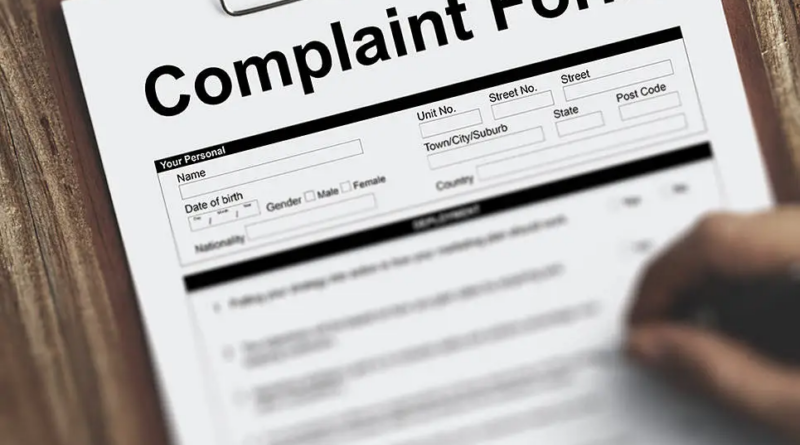
How to File a Formal Complaint Against a UK Online Casino
If you’ve been treated unfairly by an online casino and feel your complaint is going nowhere, our team is here to guide you through the official UK process to seek a resolution. Navigating a dispute with a gambling operator can be frustrating, but British gamblers benefit from one of the world’s most structured consumer protection frameworks. This guide provides a clear, step-by-step path from your initial grievance to escalation with independent bodies, ensuring you know exactly how to enforce your rights against brands like Bet365, William Hill, or newer operators.
Know Your Rights Before You Complain
Before you draft a single email, it’s vital to understand the legal foundations that protect you. UK players are shielded by a combination of consumer and gambling-specific legislation. The Consumer Rights Act 2015 ensures that services must be performed with reasonable care and skill, and any unfair terms in a contract are not binding. More specifically, the Gambling Act 2014 sets the framework for all licensed operators, mandating that they conduct their business in a way which ensures gambling is fair and open, protects vulnerable persons, and prevents crime. Crucially, any casino targeting British players must hold a license from the UK Gambling Commission (UKGC) and adhere to its strict licensing conditions.
Your Contract with the Casino
When you sign up, you enter a legally binding contract with the casino. Their terms and conditions form the basis of this agreement. However, under UK law, these terms must be fair, transparent, and not create a significant imbalance to your detriment. Complex wagering requirements for bonuses or clauses that allow arbitrary account closures can sometimes be challenged as unfair under the Consumer Rights Act 2015.
The Role of the UK Gambling Commission
The UK Gambling Commission (UKGC) is the regulatory body for all commercial gambling in Great Britain. Its role is to set the rules, issue licenses to operators like Bet365 and Ladbrokes, and enforce compliance. While it does not act as a customer service desk for individual disputes (a point we’ll explore later), its licensing conditions are your ultimate weapon. Every complaint you make should be framed around whether the casino has breached these core UKGC principles: that gambling is conducted fairly and openly, and that players are treated fairly.
Step-by-Step: The Internal Complaint Process
The first and mandatory step in any dispute is to follow the casino’s own complaints procedure. UKGC-licensed operators are legally required to have a clear, accessible process and to provide a final, written response to your complaint within a maximum of eight weeks. Skipping this step will mean any independent adjudicator will simply refer you back.
Gathering Your Evidence
Do not contact the casino until you have a complete evidence file. Your argument will only be as strong as the proof you provide. Essential items to collect include:
- Screenshots of the specific issue (e.g., bonus offer, game result, conversation with support).
- Full transaction history with relevant deposit, withdrawal, and bet IDs.
- Copies of all email or live chat correspondence, with timestamps.
- The specific terms and conditions or promotion rules that apply.
- Your username/account number and the date the issue occurred.
Formally Submitting Your Complaint
Contact the casino via their official complaints channel (often a dedicated email, not live chat). Your complaint should be clear, concise, and factual. State what happened, when, and reference the evidence you have. Crucially, explain how you believe their actions breached UKGC licensing conditions or your statutory consumer rights. Keep a record of your submission and note the date. The operator must acknowledge your complaint promptly and investigate. If you are not satisfied with their initial response, escalate it within their process, demanding their “final response” which should include details of your right to take the case to an independent Alternative Dispute Resolution (ADR) provider if unresolved.
Escalating to the Independent Adjudicator
If after eight weeks you have no final response, or you are dissatisfied with the casino’s final decision, your next step is to take your case to an independent adjudicator. All UK licensed operators must be a member of an approved Alternative Dispute Resolution (ADR) scheme. This is a free service for players.
Choosing an ADR Provider
The casino’s final response letter must tell you which ADR provider they use. The most common in the UK is the Independent Betting Adjudication Service (IBAS). Others include eCOGRA or The Gambling Commission’s own ADR service. You must use the provider specified by the operator. Submit your full case file, including all correspondence and evidence, to the ADR via their official submission process.
What to Expect from the ADR Review
The ADR provider will review your case independently. They will assess whether the casino acted fairly and in accordance with its own terms and conditions, as well as the overarching requirements of its UKGC license. Their decision is binding on the operator, meaning the casino must comply if the ruling is in your favour. However, it is not binding on you; if you disagree with the ADR outcome, you retain the right to pursue legal action. The process can take several weeks, but it is a powerful, cost-free escalation point.
When to Involve the UK Gambling Commission
It is a common misconception that the UK Gambling Commission (UKGC) will directly resolve your personal dispute. Its primary role is to regulate the operator’s license. However, involving the Commission is a critical step for serious issues.
What the UKGC Can and Cannot Do
The UKGC cannot force a casino to pay you a specific refund or overturn a game result. It will not act as a substitute for the ADR process. What it can and will do is investigate potential breaches of its license conditions. If it finds systemic failures or serious misconduct—such as consistently unfair bonus terms from a site like Casumo, predatory practices, or money laundering safeguards failures—it can take severe action against the operator, including imposing unlimited fines, suspending, or revoking their license.
Reporting a License Breach
You should report your case to the UKGC if you suspect a serious license breach. This is done via the “Make a complaint” section on the UKGC website. Provide your evidence and explain how the operator’s actions contravene the licensing objectives. While this may not directly settle your dispute, regulatory pressure can sometimes influence the operator’s stance. More importantly, your report contributes to the Commission’s oversight, helping to protect other players and ensuring the operator is held accountable for its standards.
Common Casino Disputes and How to Argue Them
Many disputes fall into predictable categories. Framing your argument correctly from the outset increases your chance of success. Always anchor your complaint in the UKGC requirement for gambling to be “fair and open.”
Bonus and Promotion Disputes
This is the most frequent area of conflict. Issues include bonuses not being credited, or winnings being confiscated for allegedly breaching complex wagering requirements. When complaining, demand clarity on which specific term you breached and argue that the terms were unclear, unfairly hidden, or excessively restrictive, thus breaching the Consumer Rights Act 2015 and the UKGC’s fair and open principle.
Game Malfunctions and Payout Errors
If a game glitches during play or a payout is incorrectly calculated, the casino’s terms often state “malfunctions void all pays and plays.” However, UKGC guidance expects operators to deal with such disputes fairly. Argue that you placed the bet in good faith on a game the operator provided and that it is unfair for them to void a win caused by their own technical fault, especially if you incurred a loss.
Unjustified Account Closures
If your account is closed or restricted with no clear explanation, immediately request the specific reason under your right to data access. Operators can close accounts at their discretion, but if it follows a big win or you are accused of “bonus abuse” without clear evidence, challenge it. Demand they justify how their action aligns with treating customers fairly, a core license condition.
While the process requires patience and meticulous evidence gathering, UK players have a powerful, structured system to enforce their rights. By following the formal internal complaint process, escalating to an independent ADR like IBAS, and reporting serious concerns to the UK Gambling Commission, you can seek a fair outcome and contribute to higher standards across the iGaming industry.